Featured
8 Easy Facts About The Advantages and Disadvantages When ...
About Understanding Different Debt Forgiveness Accessible...
What Does Documents to Gather When Pursuing Debt Forgiven...
The 30-Second Trick For Comparing APFSC to Find the Right...
Ways Bankruptcy Counseling Preserves What You've Worked For Fundamentals Explained
Table of Contents
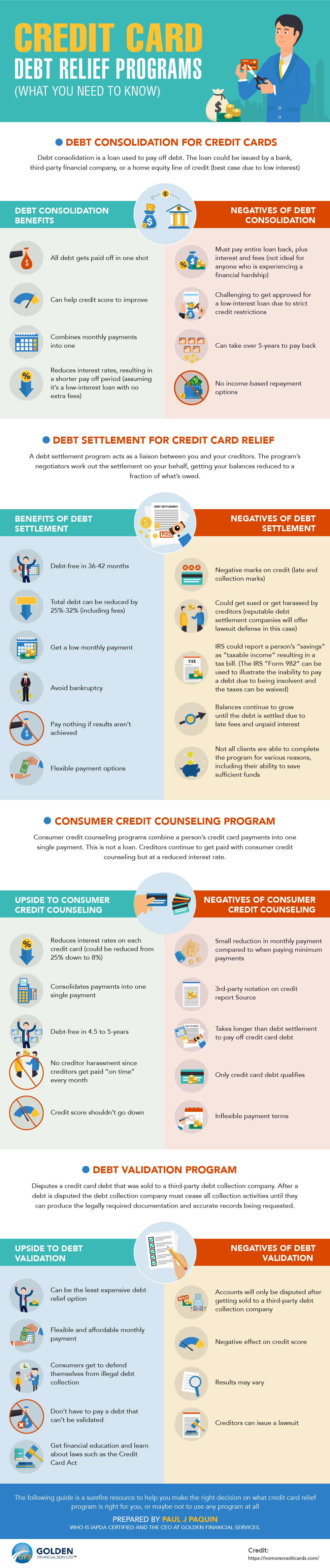
That frees up money in the short-term, and you may have three to 4 years to conserve toward the negotiation quantity. Really hazardous to credit history, largely as a result of missed out on repayments and a negative "settled" mark that can remain on your credit score report for approximately 7 yearsMay be just option if other options (debt loan consolidation, equilibrium transfer credit report cards, financial obligation mercy) aren't possibleTypically calls for a fee to the 3rd party, which might balance out some or every one of the financial savings from financial debt settlementMay aid you prevent insolvency if you have actually missed a number of paymentsNot all financial institutions deal with financial debt settlement companies Financial debt forgiveness might be right for you if you are experiencing an economic challenge that makes it virtually impossible to pay for your debt balances.

With a DMP, you make one month-to-month repayment to the credit score therapy company. Those funds are then dispersed to lenders of your unprotected financial obligations, such as bank card and installment car loans. The firm works with your creditors to reduce rate of interest or forgo costs, however some financial institutions might refuse such giving ins.
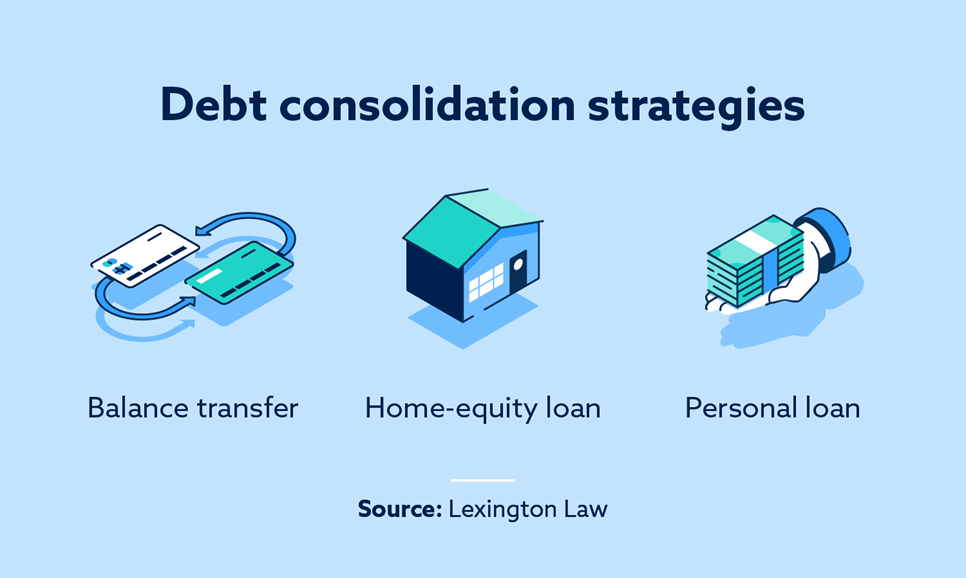
A financial debt consolidation finance combines your qualified financial debts right into one new lending. It can assist you pay for financial obligation if you have the ability to safeguard a car loan price that's lower than the average rate of the accounts you're combining. You have to avoid from racking up debt on those recently cleared accounts or your financial obligation could grow even greater.
These cards usually supply a 0% rate of interest initial duration of as much as 21 months. That gives you a lot of time to remove or significantly lower your equilibrium while making interest-free repayments. For some people facing impossible debt, bankruptcy may be the only method to stop collection procedures and legally settle their financial obligations.
How APFSC Help Clients with Clients for Beginners
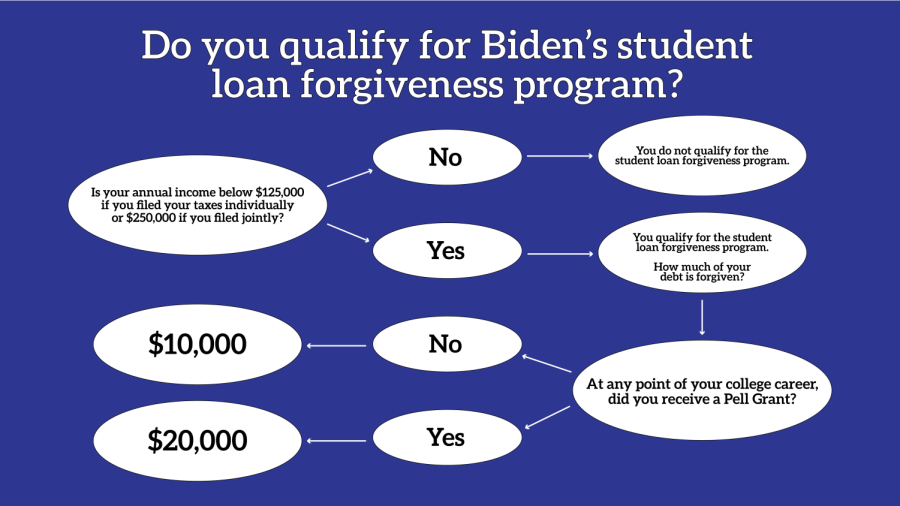
You may require it if your lender or a collection firm ever before tries to accumulate on the financial debt in the future. The letter can prove you don't owe what the debt collector's records show. Yes, for the most part, the internal revenue service thinks about forgiven financial debt as taxed income. When a loan provider forgives $600 or more, they are required to send you Form 1099-C.
Debt mercy or negotiation usually harms your credit scores. Anytime you work out a debt for less than you owe, it might show up as "resolved" on your credit history record and affect your credit score for 7 years from the day of negotiation. Your credit score can additionally go down considerably in the months resulting in the mercy if you fall back on payments.
Little Known Questions About Ways to Get Started with the Online vs Phone Credit Counseling: Which Format Is Right for You? Process.
This circumstance often results from underreporting income, not filing returns on time, or inconsistencies discovered throughout an Internal revenue service audit. The repercussions of building up tax debt are serious and can include tax liens, which provide the IRS a legal case to your residential property as protection for the debt.
Incomes and Bank Accounts Internal revenue service can levy (take) salaries and bank accounts to satisfy the debt. Residential or commercial property Seizure In extreme situations, the Internal revenue service can take and market home to cover the financial debt.
Depression, anxiety, and various other psychological wellness issues. Social Preconception Facing lawsuit from the internal revenue service can carry social preconception. Damage to track record and relationships. Work Opportunities A poor credit history due to exhaust financial obligation can restrict employment chances. Trouble finding or keeping a job. Government Advantages Tax obligation debt may affect eligibility for government advantages, such as Social Safety And Security and Medicaid.
Not known Factual Statements About Understanding Different Debt Forgiveness You Need to Know About
The OIC considers numerous aspects, consisting of the taxpayer's revenue, expenses, property equity, and ability to pay. Efficiently working out an OIC can be intricate, calling for a thorough understanding of the IRS's guidelines and a solid debate for why your deal aligns with your capability to pay. It is essential to keep in mind that not all applications are accepted, and the process requires thorough economic disclosure.
The internal revenue service evaluates your overall economic situation, including your income, expenses, asset equity, and capability to pay. You should additionally be current with all declaring and settlement needs and not remain in an open insolvency proceeding. The IRS additionally considers your conformity background, reviewing whether you have a document of timely declaring and paying taxes in previous years.
3 Easy Facts About Free Online Financial Literacy Workshops Available by APFSC Explained
The application process for an Offer in Compromise includes several thorough actions. You should finish and send Internal revenue service Kind 656, the Offer in Compromise application, and Type 433-A (OIC), a collection information statement for individuals. These forms call for extensive economic info, including details about your income, financial debts, expenses, and properties.
Back tax obligations, which are unpaid taxes from previous years, can significantly enhance your overall IRS financial debt otherwise addressed promptly. This financial debt can accumulate rate of interest and late repayment charges, making the initial quantity owed much larger over time. Failure to repay taxes can result in the IRS taking enforcement actions, such as issuing a tax obligation lien or levy against your residential property.
It is necessary to address back taxes asap, either by paying the sum total owed or by arranging a settlement strategy with the internal revenue service. By taking positive actions, you can prevent the accumulation of additional interest and fines, and prevent more aggressive collection activities by the internal revenue service.
One usual factor is the idea that the taxpayer can pay the sum total either as a lump sum or through a payment plan. The IRS likewise thinks about the taxpayer's earnings, costs, asset equity, and future earning possibility. If these elements show that the taxpayer can afford to pay greater than the offered amount, the IRS is likely to reject the offer.
Little Known Questions About The Benefits to Consider When Considering Online vs Phone Credit Counseling: Which Format Is Right for You?.
Dealing with Internal revenue service financial obligation can be intricate and challenging. Tax experts, such as CPAs, tax obligation attorneys, or signed up agents, can supply important assistance.

Table of Contents
Latest Posts
8 Easy Facts About The Advantages and Disadvantages When Considering Debt Described
About Understanding Different Debt Forgiveness Accessible to You
What Does Documents to Gather When Pursuing Debt Forgiveness Do?
More
Latest Posts
8 Easy Facts About The Advantages and Disadvantages When Considering Debt Described
About Understanding Different Debt Forgiveness Accessible to You
What Does Documents to Gather When Pursuing Debt Forgiveness Do?